

Combining elements of tennis and squash, padel is a social, easy-to-learn racket sport played in doubles on an enclosed court. With simple rules, longer rallies, and a strong focus on fun, it appeals to beginners and experienced players alike.
What is Padel?
Rules: How to Play & Padel in Australia
Discover what padel is, how to play, rules, scoring, and why it’s the fastest growing sport in Australia. Learn where to play in Queensland.
Padel is one of the fastest growing sports in the world
...and it’s rapidly gaining popularity across Australia.
Whether you’re looking for a new way to stay active, a social sport to enjoy with friends, or a competitive outlet, padel offers a unique and highly engaging experience.
What is Padel?
...and How is it Played?
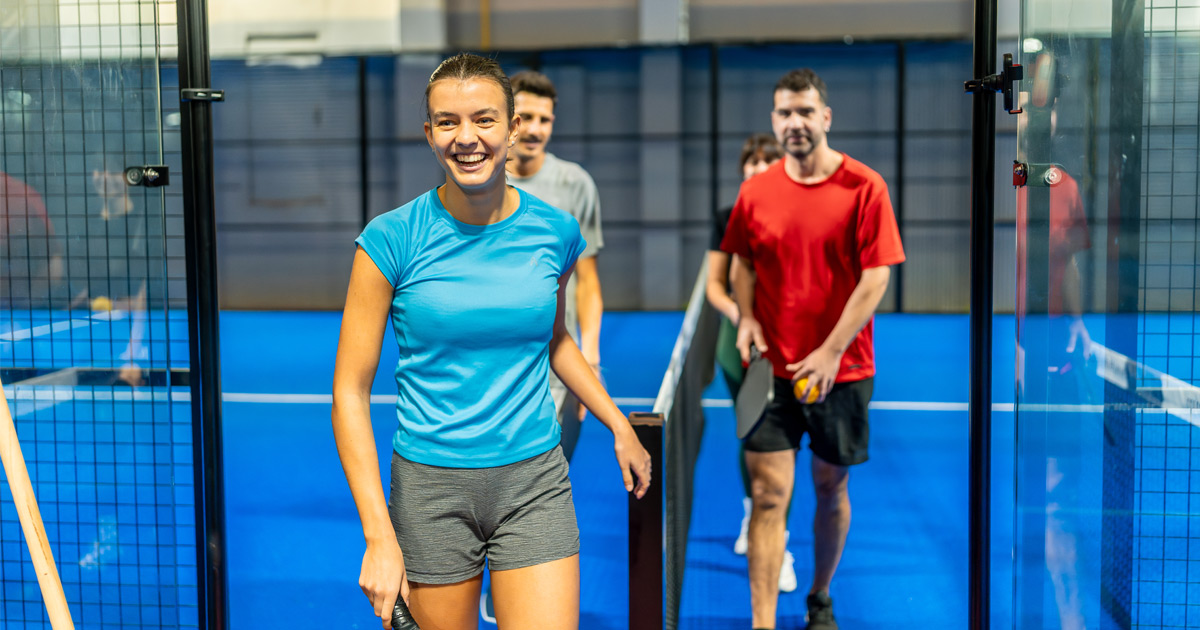
Padel is played on a smaller court than tennis, surrounded by glass walls and mesh fencing. These walls are part of the game — much like squash — allowing the ball to rebound and stay in play.
Players use a solid, stringless racket (known as a padel bat) and a low-compression tennis ball.
Padel - Easy to start playing...hard to stop!
-
Key basics:
-
Played in doubles (2 vs 2)
-
Underarm serve only
-
Ball can bounce off walls after hitting the ground
-
Focus on placement and strategy rather than power
-
The game starts with an underarm serve and continues with volleys, groundstrokes, and tactical use of the walls. Because the court is enclosed, rallies tend to last longer, making it more dynamic and social than traditional tennis.
Why is Padel so popular?
Did you know Padel the Fastest Growing Sport in the World?
Here’s why:
- Easy to learn: Most beginners can rally within their first session.
- Highly social: Always played in doubles, making it perfect for groups and communities.
- Less physically demanding than tennis: The smaller court and slower ball reduce strain while still delivering a great workout.
- Addictive gameplay: Long rallies and strategic play keep players engaged.
In Australia, padel is gaining traction quickly — especially in lifestyle-driven regions like Queensland, where outdoor sport and social activity are part of everyday life.
Tennis Vs Padel
What's the difference?
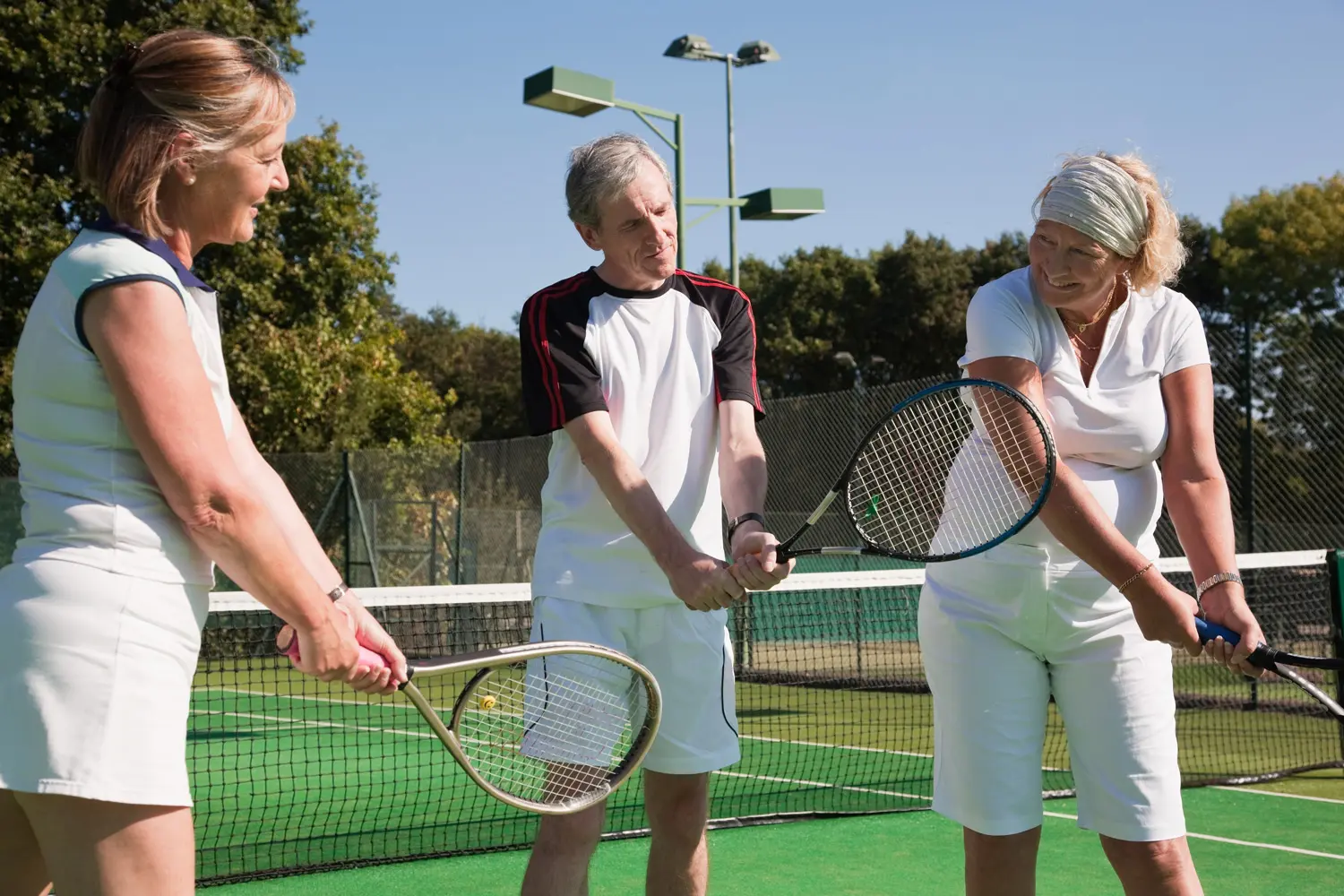
Tennis is...
- Court Size: Larger (23.77m x 8.23m singles) open court
- Walls: No walls
- Players: Singles or doubles
- Racket: Strung tennis racket
- Ball: Standard tennis ball
- Serve: Overarm serve
- Game Style: Power, speed, endurance
- Rally Length: Shorter, more explosive points
- Learning Curve: More technical to master
- Fitness Level Required: Higher (especially singles)
- Social Aspect: Can be social or competitive
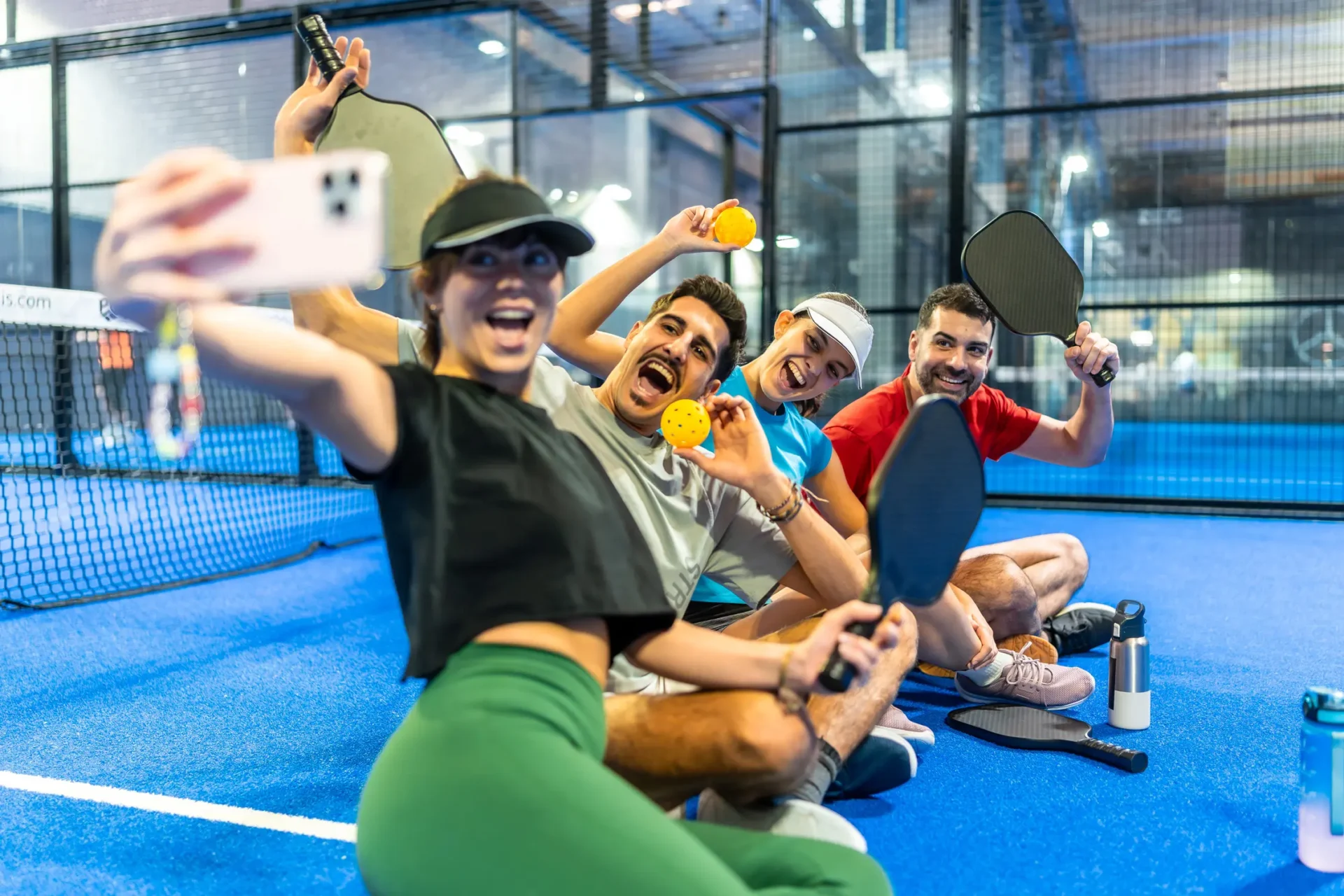
Padel is...
- Court Size: Smaller (10m x 20m) enclosed court
- Walls: Glass walls used during play
- Players: Always doubles (2 vs 2)
- Racket: Solid paddle (no strings)
- Ball: Similar to tennis but lower pressure
- Serve: Underarm serve
- Game Style: Strategic, placement-focused
- Rally Length: Longer rallies
- Learning Curve: Easy to pick up
- Fitness Level Required: Moderate
- Social Aspect: Very social (always doubles)